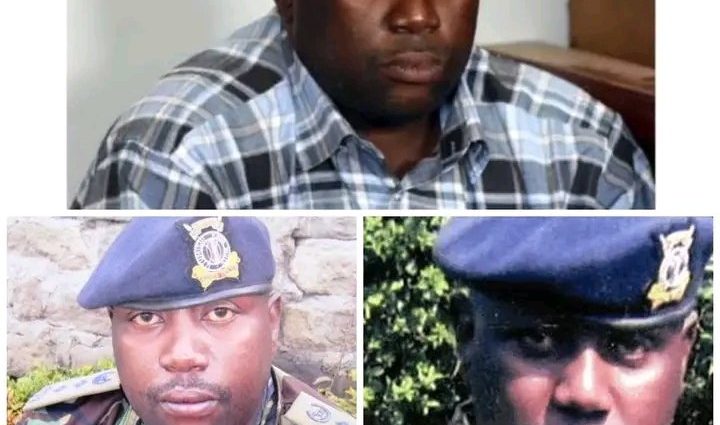
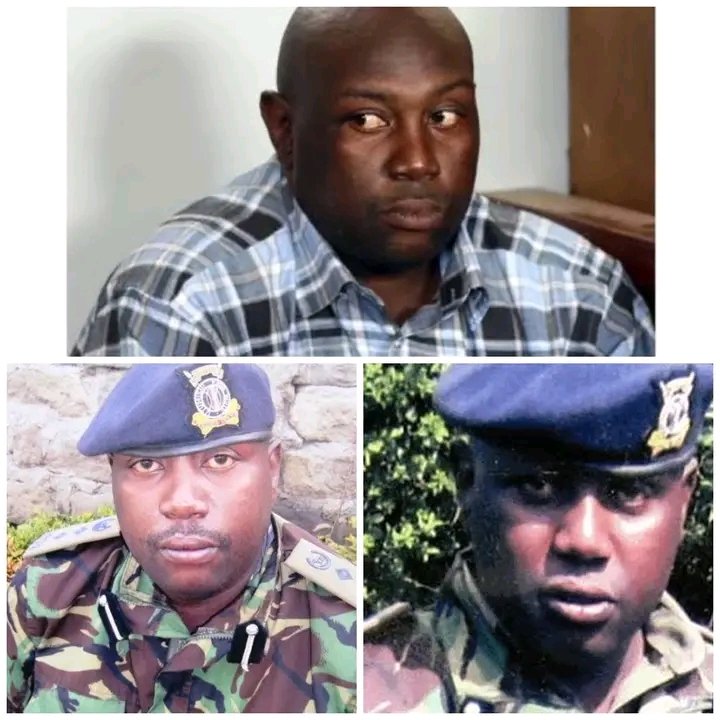
Joshua Karianjahi Waiganjo is a Kenyan man who gained national notoriety in 2013 after it was revealed he had masqueraded as a senior police officer (Assistant Commissioner of Police) in the Rift Valley Province for roughly five years.
Waiganjo’s activities came to light in late 2012/early 2013 after he infamously boarded a police helicopter to inspect a security operation following the deadly Suguta Valley (Baragoi) massacre, where 42 police officers were killed by cattle rustlers.
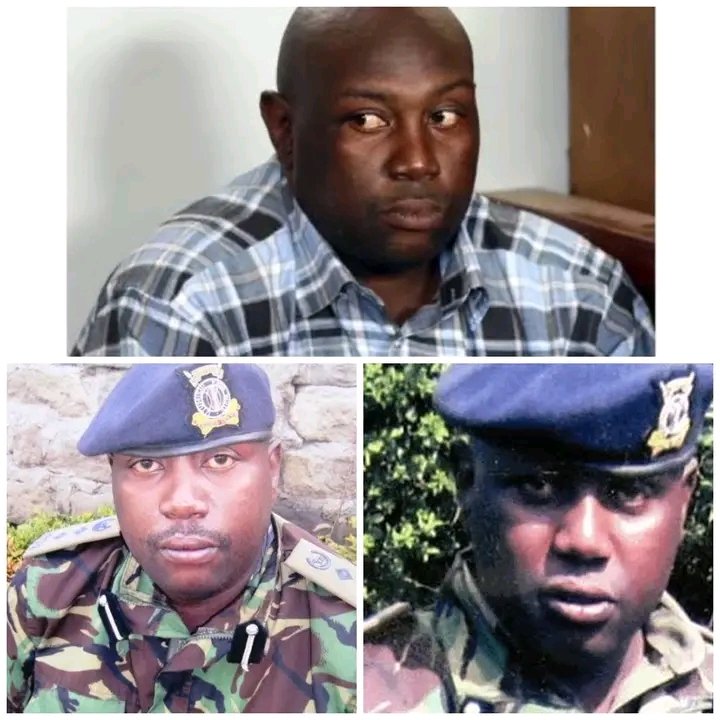
During his time masquerading as an officer, Waiganjo allegedly participated in high-level security meetings, recruited and sacked police officers, used official police cars and drivers, and even faced accusations of robbery with violence.
The scandal led to the suspension and investigation of top police bosses, including Rift Valley Provincial Police Officer (PPO) John M’Mbijiwe, Anti-Stock Theft Unit Commandant Remi Ngugi, and Njoro OCPD Peter Nthiga, due to their close association with and protection of Waiganjo.
In 2013 and 2015, a Naivasha court convicted Waiganjo on charges including impersonation and illegal possession of police uniforms/stores, initially handing him prison sentences (such as a 5-year sentence in 2015).
He appealed the convictions.Over the following years, through various high court and appeals court processes (including rulings around 2017 to 2019/2020), the prosecution’s case unraveled due to missing investigative officers, failure to produce proper administrative discharge/employment records, and lack of witness testimonies.
On March 28, 2024, Naivasha Chief Magistrate Nathan Lutta formally acquitted Joshua Waiganjo of all remaining charges under Section 210 of the Criminal Procedure Code (CPC), citing the legal doctrine of stare decisis.
The Naivasha Magistrate’s Court was bound by a prior Court of Appeal determination that ruled previous orders for a retrial lacked a sound legal basis and directed that he be set free. Under stare decisis, the lower trial court was legally obligated to follow this superior court precedent.
During the proceedings, the Office of the Director of Public Prosecutions (ODPP) attempted to withdraw the charges under Section 87(a) of the CPC. Waiganjo successfully opposed this, as a Section 87(a) withdrawal would allow the state to rearrest and re-prosecute him in the future.
By utilizing Section 210 of the CPC, the court ruled that the prosecution had failed to establish a case to answer, resulting in an absolute acquittal that permanently closed the criminal case.
Following his total exoneration after 11 years of legal battles, Waiganjo initiated legal action suing the State and the National Police Service for Sh1.5 billion in compensation for wrongful prosecution and unlawful imprisonment.
Waiganjo argues that the state’s aggressive prosecution and subsequent 11-year legal ordeal completely stripped him of his career opportunities and financial stability.His legal team highlighted severe trauma from extended periods spent in police cells and Naivasha Prison, noting that the isolation and public fallout caused deep emotional distress.
Central to the lawsuit is the permanent damage to his reputation. Having been paraded across Kenyan media as the country’s most notorious “fake cop”, Waiganjo asserted his public standing was completely ruined by an investigation that ultimately failed to produce crucial evidence or credible witnesses.
Joshua Waiganjo was never a genuine, officially recruited police officer. Official audits from Police Headquarters confirmed there was no record of him ever being recruited, trained, or paid a salary by the National Police Service.
The fact that he was legally acquitted does not mean the court ruled he was a real policeman. Instead, his legal freedom is based on technicalities and structural issues.