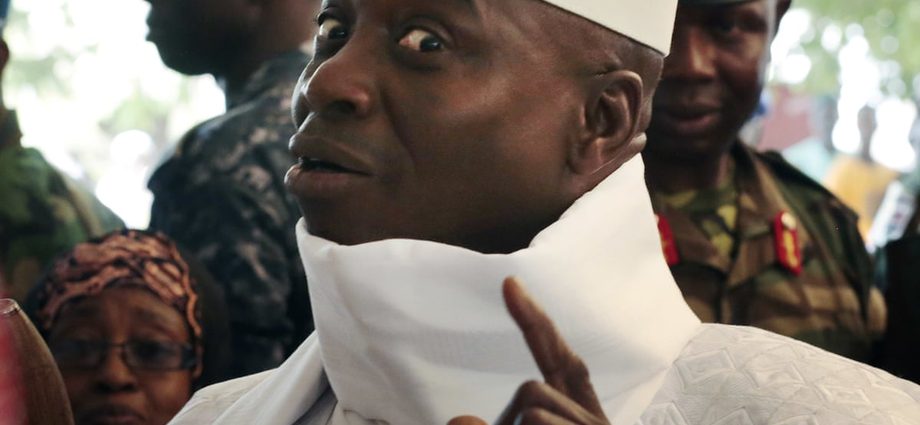
The United States has sold a mansion in Maryland linked to former Gambian President Yahya Jammeh and is returning $2.5 million from the sale to The Gambia to compensate victims of his 22-year rule.
The U.S. Department of Justice announced on September 18 that it is returning $2,507,911.73 in net proceeds from the forfeiture and sale of a property at 9908 Bentcross Drive in Potomac, Maryland.
The property is a large residential mansion in one of Maryland’s most expensive suburbs, about 20 miles from Washington, D.C.According to the Justice Department, the mansion was purchased in 2010 for approximately $3.5 million.
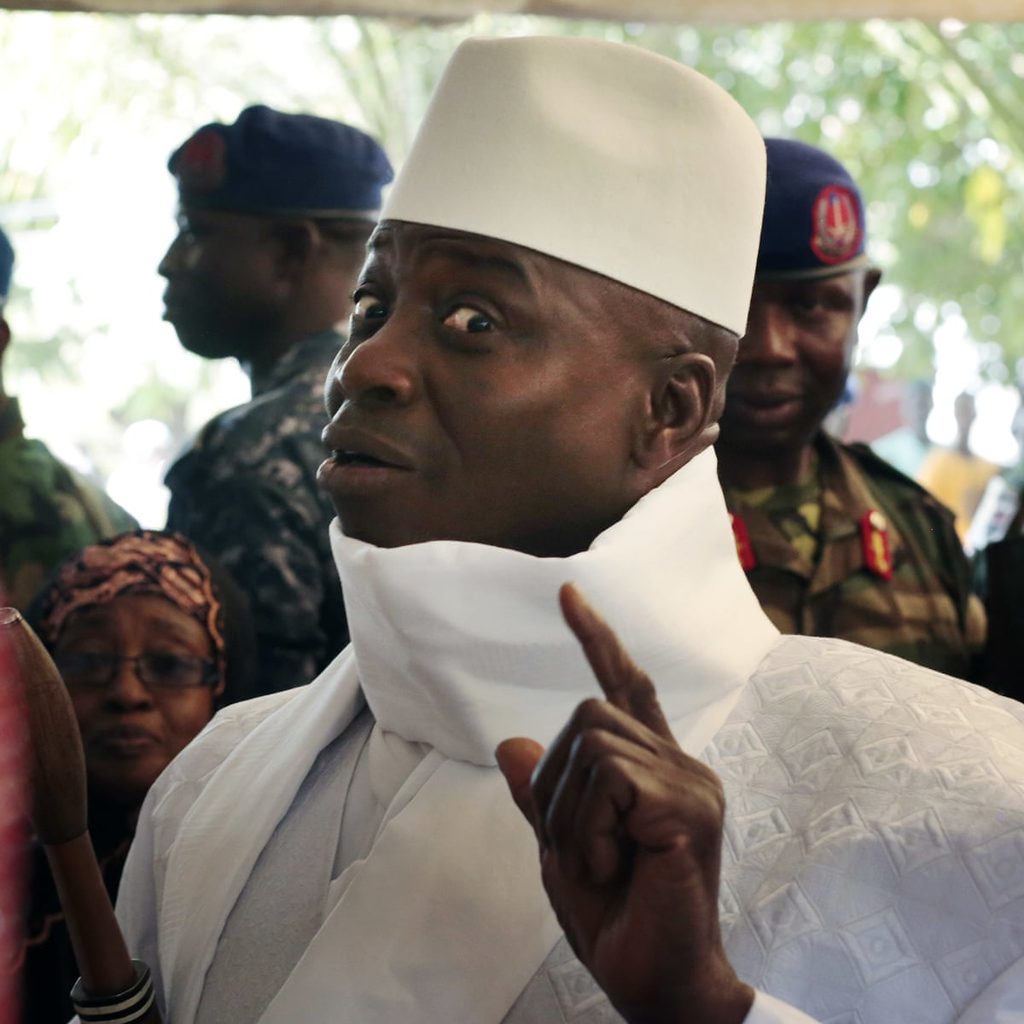
The department says Yahya Jammeh and his wife, Zineb Jammeh, used criminal proceeds and misappropriated Gambian public funds to buy the house for their personal use.Jammeh ruled The Gambia from 1994, after taking power in a military coup, until 2017.
He lost the presidential election in December 2016 and went into exile in Equatorial Guinea in January 2017 after regional military intervention.
His 22-year rule was marked by allegations of widespread human rights abuses, including torture, enforced disappearances, extrajudicial killings, sexual violence, and the repression of journalists and political opponents.The Justice Department said Jammeh obtained millions of dollars through the embezzlement of public funds and by soliciting bribes from businesses seeking monopoly rights over sectors of the Gambian economy such as timber, oil, and other import markets.
The civil forfeiture complaint alleged that he conspired with family members and close associates to use a network of shell companies and overseas trusts to launder the proceeds around the world.
The Potomac property was identified during investigations in The Gambia and the United States. In The Gambia, the Janneh Commission – the Commission of Inquiry into the Financial Activities of Public Bodies, Enterprises and Offices as Regards Their Dealings with Former President Yahya Jammeh and Connected Matters – investigated Jammeh’s assets and found that he had amassed more than $300 million in assets and bank accounts.In the United States, the case was investigated by Homeland Security Investigations’ Illicit Proceeds and Foreign Corruption Group based in Miami, with assistance from HSI Baltimore and the HSI Attaché Office in Dakar, Senegal.
The group was created in 2003 to investigate the laundering of proceeds from foreign public corruption, bribery and embezzlement.The U.S. filed a civil forfeiture action titled United States v. Real Property Located in Potomac, MD, Commonly Known as 9908 Bentcross Drive, in the U.S. District Court for the District of Maryland.
The property was forfeited to the United States and later liquidated. After costs, the sale generated $2,507,911.73.Under an asset return agreement signed between Washington and Banjul, the money is not being returned for general government spending. The funds will be transferred to the Reparations Fund at the Central Bank of The Gambia.
The fund is administered by the Reparations Commission and was created under the Victims Reparations Act of 2023.
The Act was established to benefit people harmed by Jammeh’s corruption and abuse of office. The agreement requires that the funds be used exclusively to compensate eligible victims as defined under that law.
This includes financial compensation, medical and psychosocial support, educational assistance, and rehabilitation measures.The agreement was signed by Finance Minister Seedy K.M. Keita on behalf of The Gambia and U.S.
Embassy Chargé d’Affaires Robert Anderson on behalf of the United States. The Gambian Ministry of Justice said the recovery represents an important step in the country’s transitional justice process.The U.S. Justice Department said the case is an example of international cooperation to hold accountable those who use the American financial system to hide illicit proceeds. Assistant Attorney General A.
Tysen Duva of the Criminal Division said returning the funds to compensate victims demonstrates a commitment to recover money taken in violation of the rule of law.
Homeland Security Investigations said it remains committed to protecting the integrity of the U.S. financial system and ensuring that corrupt foreign officials cannot use the United States to hide or enjoy proceeds of bribery and embezzlement.Civil society groups in The Gambia welcomed the return.
The Edward Francis Small Centre for Rights and Justice said the recovery is an important step for accountability and insisted the entire amount must be used exclusively for victims. Gambia Participates and Transparency International, which had advocated for the forfeiture and return since 2022, said it follows years of work by victims, activists, and authorities in both countries.
American human rights campaigner Reed Brody, who is part of the Jammeh2Justice campaign, called it a hard-won result that rewards work by activists who identified the mansion, the Janneh Commission, and both governments.
He said the priority now is getting the money to victims quickly, fairly and transparently.Jammeh still lives in exile and has not faced criminal trial in The Gambia.
The Gambian government has said it is working with international partners to recover additional assets linked to his regime.